
What is Rolfing®
Rolfing® SI challenges old patterns and adhesions within the fascial structures, while simultaneously teaching the body how to build and maintain healthier and more comfortable patterns. In these ways we allow your system to continue the work long after you leave the office.
My goal is to help build confidence in your body while we release deep tensions and restrictions - guiding you to a deeper and more holistic relationship with yourself.
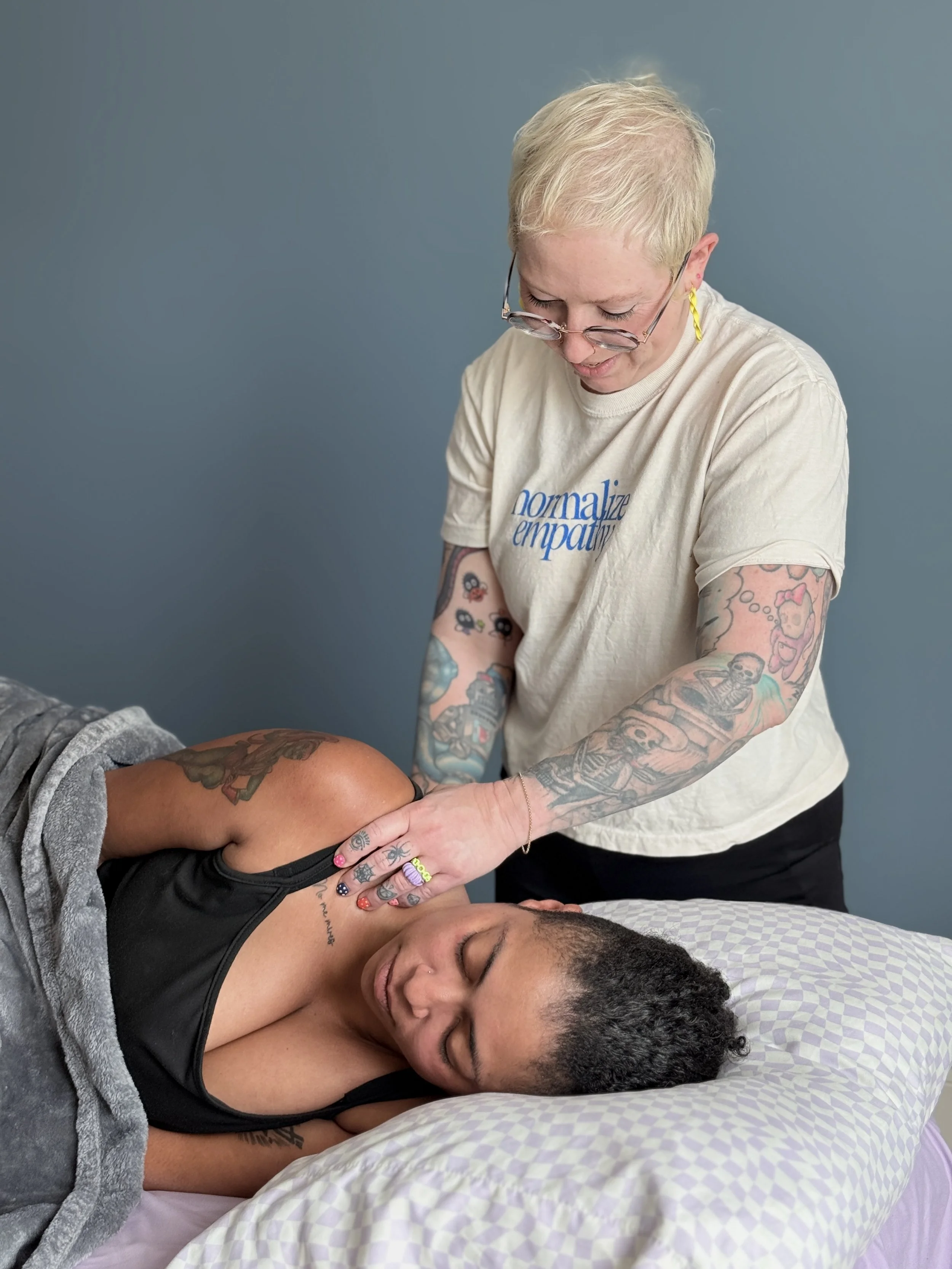
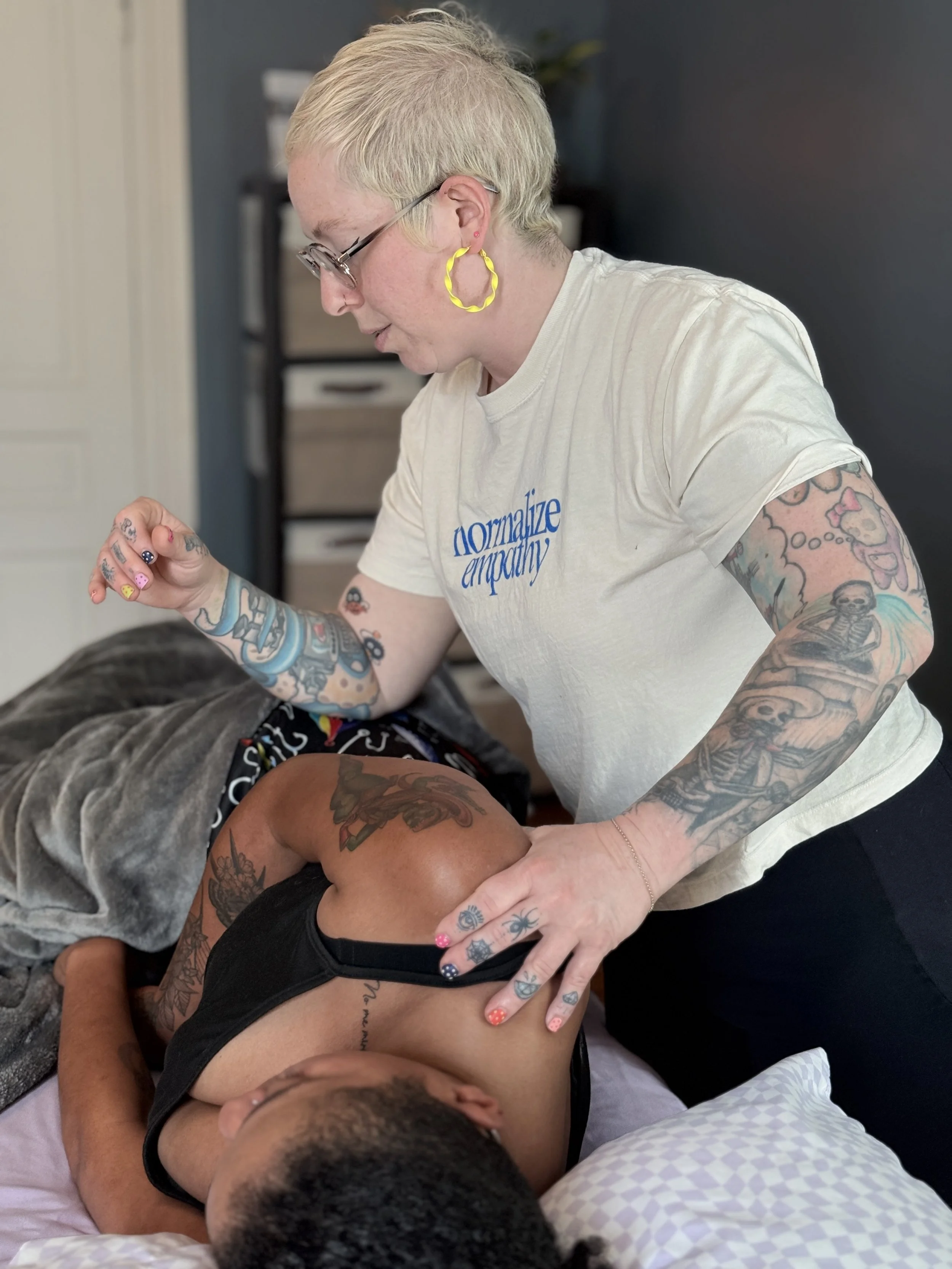
Rolfing®, also known as Rolfing® Structural Integration, is a specialized form of bodywork focused on optimizing the body's structure and movement. Through hands-on manipulation and movement education, Rolfing® aims to release tension, improve alignment, and promote overall well-being. It addresses the body's connective tissues to enhance flexibility, alleviate pain, and restore balance. Rolfing® is a holistic approach that considers the interconnection of body, mind, and spirit, offering profound benefits for physical health and personal growth.
One of the key principles of Rolfing® is the concept of structural integration, which emphasizes the importance of aligning the body in relation to gravity. By addressing imbalances and asymmetries, Rolfing® seeks to create a more harmonious relationship between different parts of the body, promoting greater stability, balance, and overall well-being. While Rolfing® is renowned for its therapeutic benefits, it also offers profound opportunities for personal growth and self-awareness. Many clients report not only physical improvements but also increased body awareness, emotional resilience, and a deeper connection to themselves and their surroundings.
What is a 10 series?
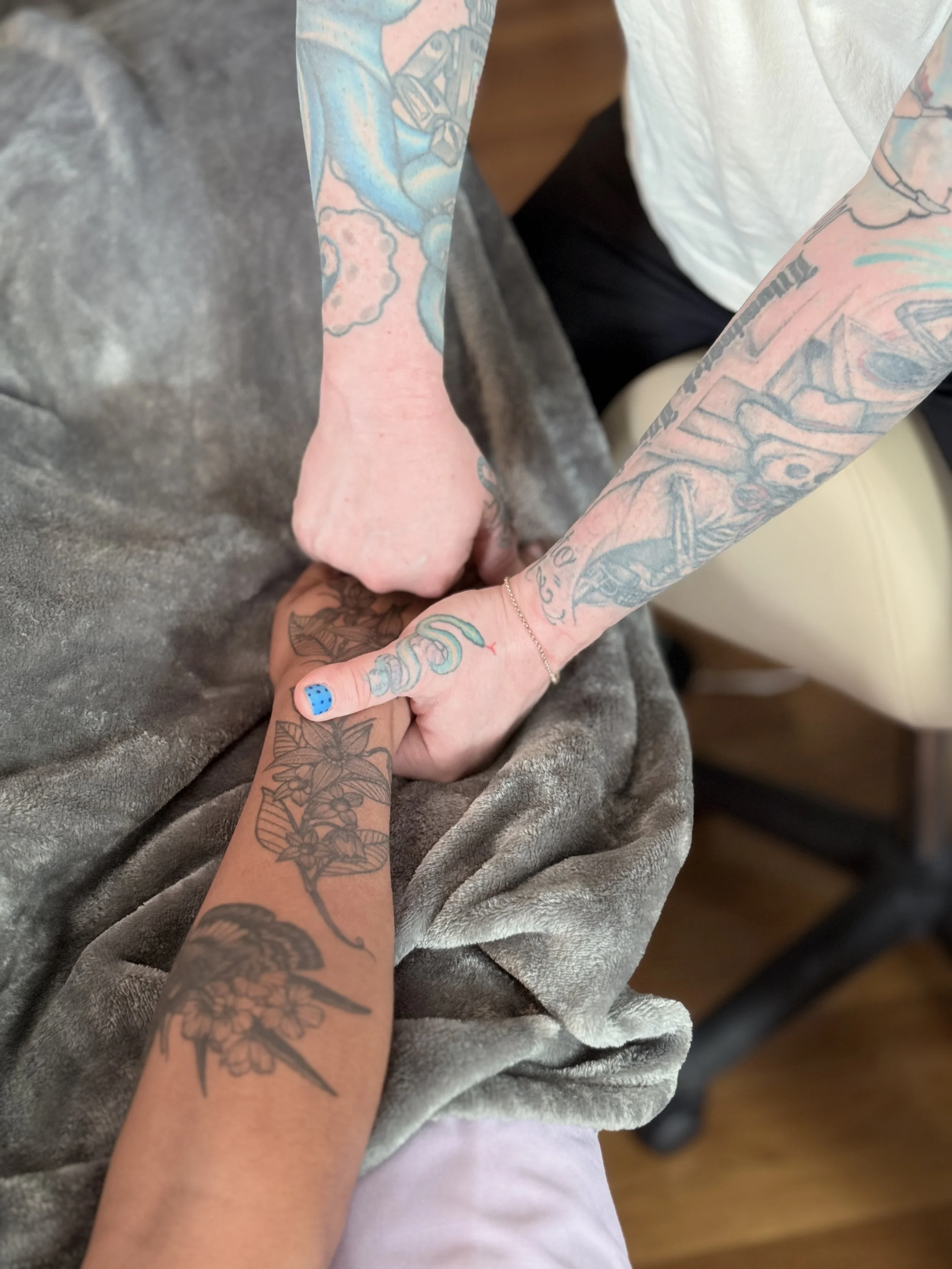
The Rolfing 10-Series is a foundational aspect of Rolfing® Structural Integration, designed by Dr. Ida P. Rolf, the founder of Rolfing. It consists of a series of ten sessions, each with a specific focus and intention. The series is structured to systematically address the body's structure and function, promoting greater alignment, balance, and ease of movement.
Each session in the Rolfing 10-Series builds upon the previous one, gradually working through different areas of the body and addressing specific patterns of tension and imbalance. While the exact content of each session may vary depending on the individual's needs, the overarching goal of the series is to create more efficient movement patterns and improve overall structural alignment.
Overall, the Rolfing 10-Series is designed to facilitate profound and lasting changes in the body's structure and function, promoting greater ease, alignment, and vitality. Each session builds upon the last, creating a comprehensive approach to holistic well-being and movement optimization.
What Rolfing Isn’t
1. A Quick Fix:
While Rolfing® can provide significant relief from chronic pain and discomfort, it's not a quick-fix solution. Unlike temporary symptom relief, Rolfing® aims to address underlying patterns of tension and imbalance for long-lasting results. Each session is part of a progressive process, and meaningful change often takes time and commitment.
2. Massage:
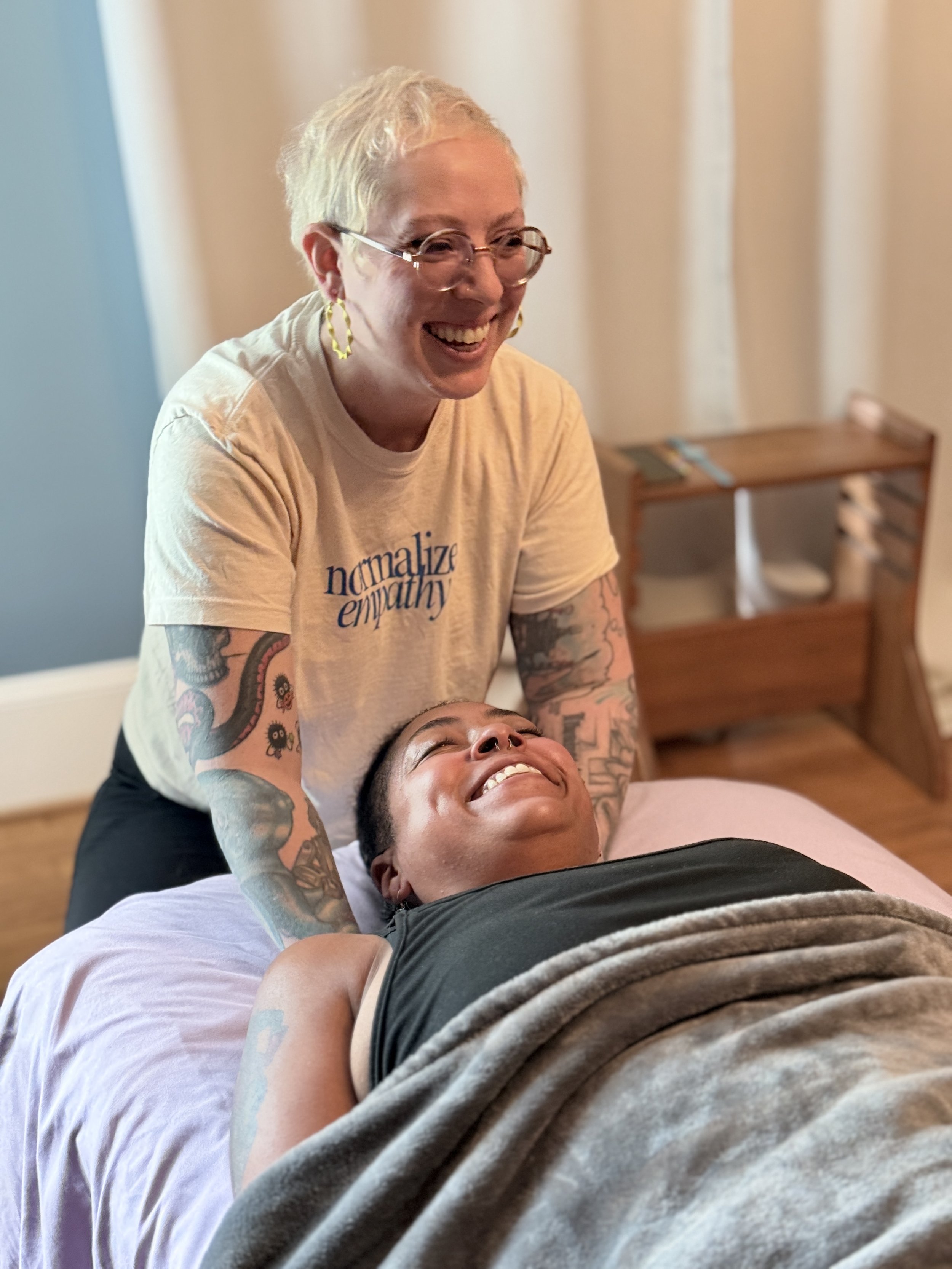
Although Rolfing® involves hands-on manipulation of the body, it differs from massage in several key ways. While massage primarily focuses on relaxing muscles and promoting circulation, Rolfing targets the fascia—the connective tissue surrounding muscles and organs—to improve structural alignment and movement efficiency. Rolfing® sessions often involve deeper, more targeted work aimed at reshaping the body's overall structure.

3. Painful:
While some may experience discomfort during Rolfing® sessions, it's essential to distinguish between discomfort and pain. Rolfing® practitioners prioritize open communication and work within each client's comfort level. Any discomfort experienced during a session is typically a result of releasing tension and addressing imbalances in the body. However, the goal is never to cause unnecessary pain, and practitioners adjust techniques accordingly to ensure a positive and effective experience.
4. A Replacement for Medical Care:
While Rolfing® can complement conventional medical treatment, it is not a substitute for medical care. Rolfing® practitioners are not medical doctors and do not diagnose or treat specific medical conditions. Instead, Rolfing focuses on promoting overall well-being and enhancing the body's natural healing processes. Clients with specific medical concerns should consult with their healthcare provider before beginning Rolfing or any other complementary therapy.

5. One-Size-Fits-All:
Every individual is unique, and Rolfing® sessions are tailored to address each client's specific needs and goals. There is no one-size-fits-all approach in Rolfing,® as practitioners adapt their techniques to accommodate each client's unique anatomy, preferences, and therapeutic objectives. Whether you're seeking relief from chronic pain, improved athletic performance, or enhanced overall well-being, Rolfing® offers a personalized approach to holistic health and wellness.
Fibromyalgia
Plantar Fasciitis
Sciatica & Piriformis Syndrome
Carpal Tunnel
‘Tech Neck’
Hypermobile Spectrum Disorders
Things Rolfing® Helps
TMJD (temporomandibular joint dysfunction)
Repetitive Stress Injuries
Athletic Injuries
Sports Recovery
Whiplash
Trauma Release
Scoliosis
Post-surgery Recovery
Scar Tissue
Balance & Mobility Issues
Rotator Cuff Injuries
Chronic Back & Neck Pain